

Cruise expenses have a way of looking simple at first and then getting complicated fast. The advertised fare might seem reasonable, but once you add in gratuities, excursions, drinks, WiFi, specialty dining, and other extras, the final cost can look very different from what you expected.
That said, cruises can still be an excellent vacation option for families who want value. After sailing on dozens of cruises with different combinations of family and friends, and across a wide range of budgets, I’ve seen just how flexible cruise pricing can be. One family might book an inside cabin and keep things simple, while another splurges on extras, and both can still enjoy the same trip together.
If you are wondering what a cruise really costs, trying to figure out how to save on cruises, or planning on cruising on a budget, this guide will help. I’ll walk you through the real structure of cruise expenses, explain where surprise costs tend to show up, and share practical ways to save money without making your vacation feel stripped down.

What Your Cruise Fare Includes
Your cruise fare covers your room, most meals, and many onboard activities. You get lodging, basic dining, and a wide range of entertainment built into the base cost.
Cabins and Stateroom Categories
Your cruise fare always includes a stateroom. The category you book affects your space, view, and price. The cabin you choose affects both your comfort and your budget in ways that aren’t always obvious when you’re comparing categories online.
Most ships offer:
- Inside cabins with no windows
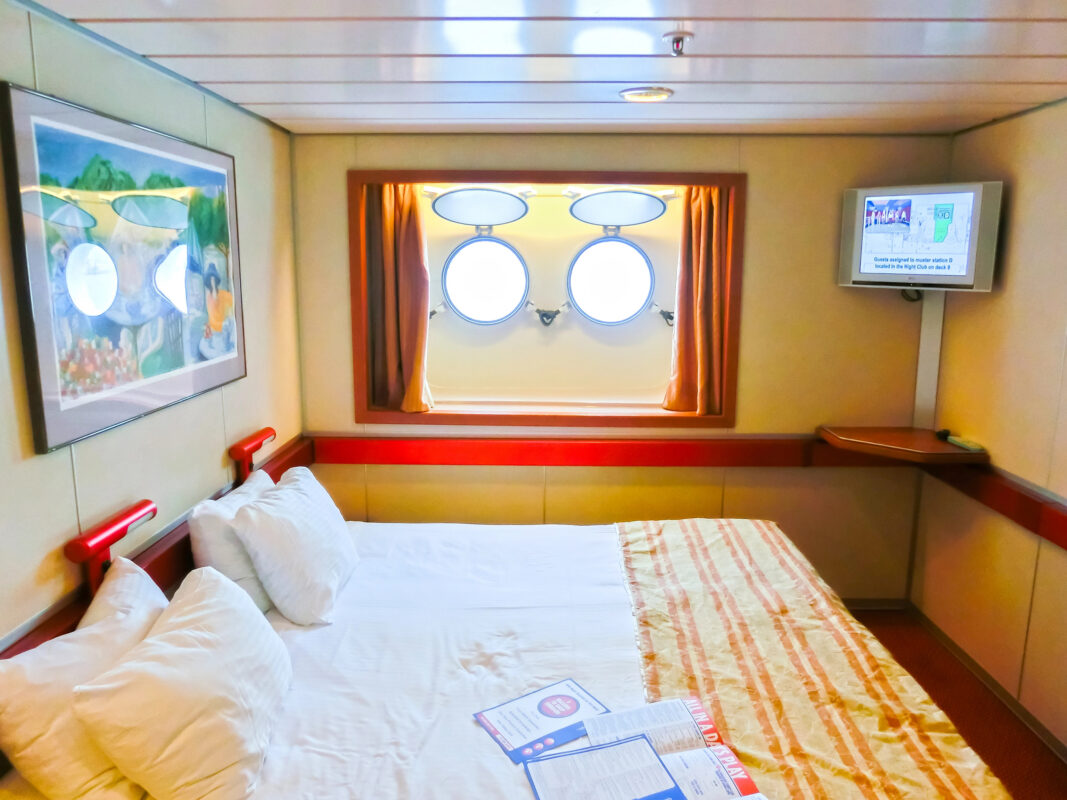
- Oceanview cabins with a window or porthole
- Balcony cabins with private outdoor space
- Suites with more room and added perks
An inside cabin gives you the lowest cruise cost. A balcony cabin gives you fresh air and outdoor seating. Suites may include priority boarding or access to a private retreat area, but perks vary by cruise line.
Consider two connecting cabins over a family suite.
Family suites offer more square footage, but 2 connecting inside or ocean-view cabins often cost less and offer greater practical flexibility. You get a second bathroom, which is helpful for morning routines with kids, and the connecting door lets everyone stay accessible without sharing sleeping space.
Combining different types of standard cabins can save thousands of dollars over the course of the cruise, compared to booking a full suite. The money you free up can go toward shore excursions or specialty dining experiences that your family will remember.
Be forewarned: connecting cabins can’t always be guaranteed at the time of booking. Request them explicitly, note it in your reservation, and call the cruise line before departure to confirm. You may not know your assigned cabin numbers until close to sailing.
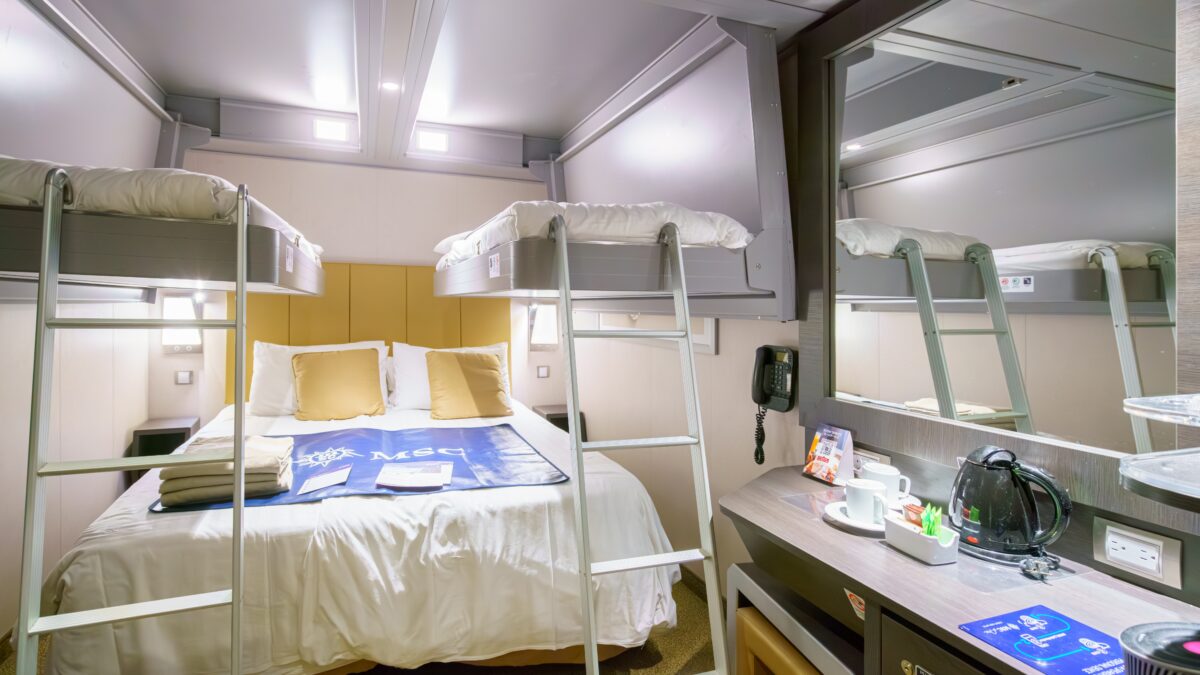
Know when an inside cabin is the right call.
Inside cabins (no window or balcony) carry the lowest fares in every category. For families planning to spend most of their waking hours at the pool, on excursions, or exploring the ship, the cabin is primarily a place to sleep. Your kids won’t be sitting by the window admiring the view.
If your family is the type that stays out until 11 p.m. and hits the deck by 8 a.m., an inside cabin is the smartest financial choice.
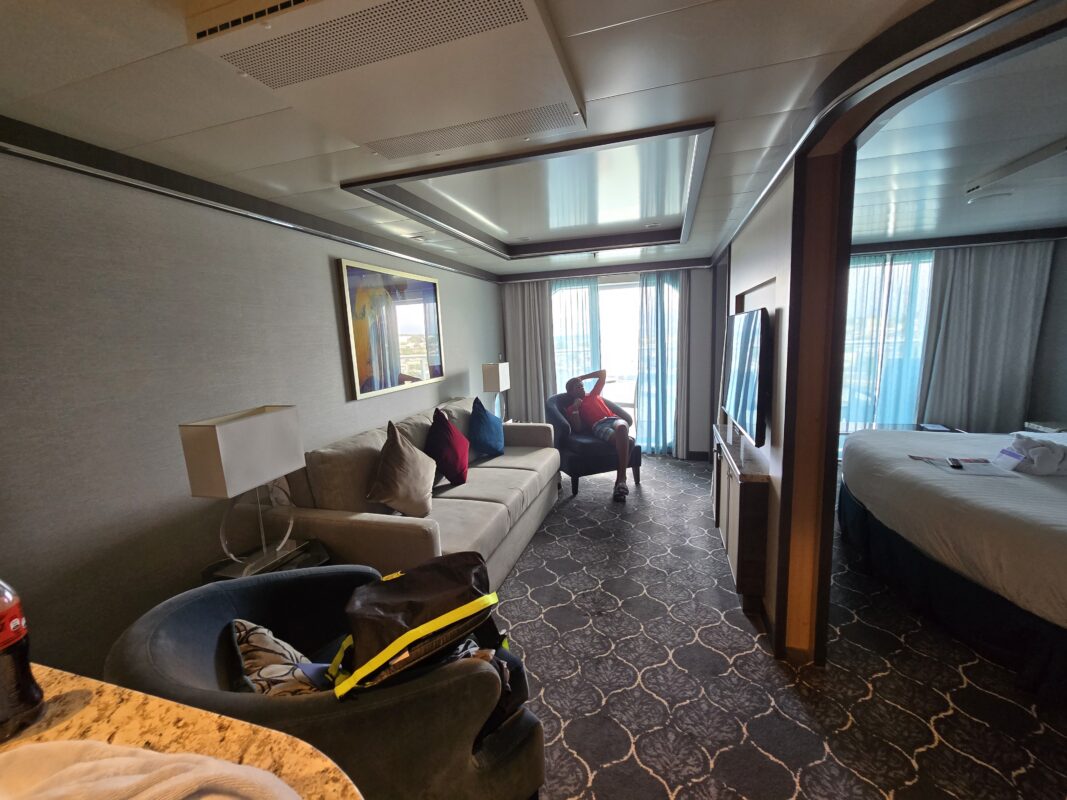
Explore upgrade opportunities.
Cruise lines sometimes offer free cabin upgrades when higher-category rooms go unsold close to departure. Booking a “guaranteed” cabin (where you pick a category but not a specific room) occasionally results in an upgrade if your original category fills up.
Sign up for price alerts from your cruise line and from third-party deal sites. Prices and promotions change frequently, and having an alert saves you from having to check manually.
Some cruise lines also offer “bid up” opportunities as the sailing date approaches. These offers let you bid for an upgrade at a reduced price.
Standard Dining and Beverages

Your cruise fare includes meals in the main dining rooms and buffet areas. You can eat breakfast, lunch, dinner, and many snacks without paying extra.
Main dining rooms offer multi-course meals with set or flexible seating times. Buffets provide casual options throughout the day. Many ships also include quick spots like pizza counters or grills.
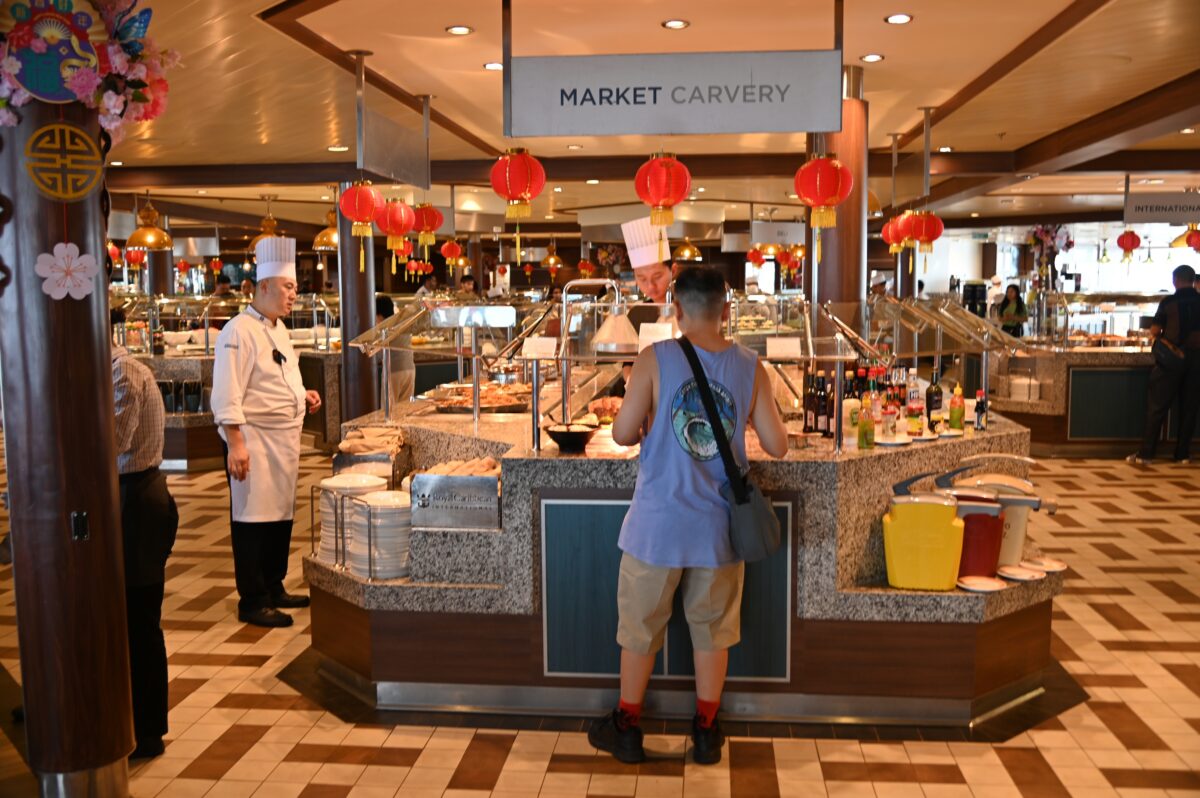
Your base fare also includes basic drinks such as tap water, regular coffee, tea, and some juices.
Onboard Entertainment and Activities
Your cruise fare covers many onboard activities and shows. You can attend live music, theater productions, comedy shows, and deck parties without added fees.
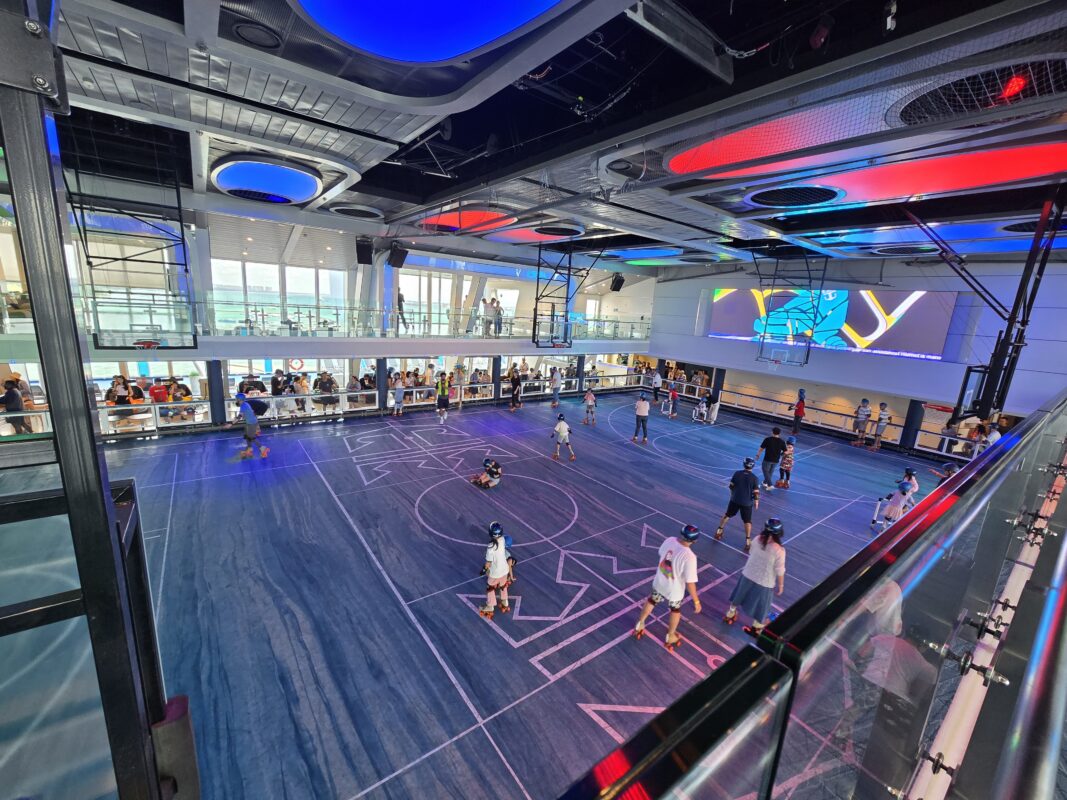
Most ships include access to:
- Pools and hot tubs
- Fitness centers
- Sports courts
- Youth and teen clubs
- Lectures or enrichment classes
You don’t pay extra for basic use of these spaces. However, spa treatments, shore excursions, and certain classes often increase your total cruise cost, as well as any after-hours childcare.

Major Extra Costs Beyond the Base Fare
While your cruise fare covers basic room, board, and daily activities on board, several common add-ons can raise your total cruise expenses by hundreds of dollars per person.
Shore Excursions and Port Adventures
Shore excursions often make up the largest part of your extra cruise costs. You pay separately for guided tours, beach trips, cultural visits, and adventure activities in each port.
Shore excursions booked directly through the cruise line come with a markup. Booking the same activity through a local operator can save 30% to 50%.
Walking tours, public beaches, and free museum days exist at many ports and cost nothing. Research each port before you sail: identify free or low-cost attractions within walking distance of the terminal, check local bus and subway routes, and save organized tours for destinations where the logistics justify the cost.

Budget-friendly port options worth looking for:
- Self-guided walking tours using free apps like Google Maps or Komoot
- Public beaches rather than private resort day passes
- Local markets for affordable food and souvenirs
- Free cultural events occurring during your port days
Be forewarned: if you book independently, the ship will not wait for you if your external tour runs late. Choose independent operators that either guarantee return to the ship on time or offer refunds if the ship departs. This risk doesn’t exist with cruise-line-booked excursions.

Specialty Dining and Upscale Restaurants
Most cruise fares include meals in the main dining room and buffet. Specialty dining restaurants cost extra.
These venues often serve steak, sushi, seafood, or chef-driven tasting menus. You usually pay either a flat cover charge or à la carte prices. Some ships offer dining packages that bundle several specialty meals at a discount. You still pay more than the base fare, but you may lower the per-meal cost.
If you dine at specialty restaurants several nights, this category alone can add a few hundred dollars per person.
Drinks Packages and Alcohol Policies
Most cruise fares include water, basic coffee, tea, and some juices. Alcohol, soda, and specialty coffee usually cost extra.

You can buy drinks 1 at a time or purchase a beverage package. A drinks package often covers beer, wine, cocktails, soda, and specialty coffee up to a price limit. Some cruise lines also offer separate packages for soda or bottled water.
Before you buy a drink package, calculate how many drinks you’d need each day just to break even. If you only drink occasionally, paying per drink may cost less than a full beverage package.

Mandatory Gratuities
Most cruise lines add automatic daily gratuities to your onboard account. These charges cover tips for your cabin steward, dining staff, and other crew members.
You pay a set amount per person, per day. Families feel this cost more because the charge applies to each guest, including children in many cases. Current daily rates on mainstream cruise lines run roughly $16 to $20 per person (or more).
Luxury and river cruises sometimes include gratuities in the fare. Mainstream lines usually don’t.
Although you may typically have the ability to adjust gratuities once you’re on board, treat mandatory gratuities as part of your core cruise expenses when you set your budget, not as an optional extra.
Hidden and Overlooked Cruise Expenses
Some cruise expenses stay off your radar until you’re already onboard. These smaller charges can raise your total bill quickly if you don’t plan for them.
Wi-Fi and Internet Access
Most cruise fares don’t include internet access. You’ll usually need to buy a Wi-Fi package, and prices vary by cruise line and speed tier.

Many ships charge by the day or by the device. Basic plans may only cover messaging apps, while faster plans allow streaming and video calls.
Pricing from most major cruise lines often falls in the range of $20 to $30 per device per day. On a 7-night sailing with multiple devices in your cabin, that cost adds up fast.
Laundry and Dry Cleaning
Standard cruise fares rarely include laundry services. Some ships offer:
- Self-service laundry rooms (limited availability)
- Mid-cruise laundry specials
- Unlimited laundry packages for a flat fee
A single pressed shirt can cost several dollars. Over a week, that can rival the price of an excursion. Pack enough clothing to avoid last-minute services, especially for formal nights.
Professional Photography and Souvenir Photos
Cruise ships take photos at boarding, formal dinners, and port stops. Photographers set up backdrops and take your picture without upfront payment.
You only pay if you decide to buy. However, printed photos and digital packages cost more than many people expect.
A single print can cost $20 or more. Digital packages can reach hundreds of dollars.
Onboard Spending and Optional Purchases
You will find many opportunities to spend additional money beyond what’s covered in your basic cruise fare. You’ll find extras such as spa visits, casino play, premium fitness options, and shopping, so plan your onboard spending before you sail. A few points to note:
- Spa Treatments & Salon Services – Prices can be higher than at land-based spas. Know that many cruise lines add an automatic gratuity to spa treatments on top of the listed price.
- Fitness Classes & Personal Training – You’ll usually pay extra for specialty fitness classes and personal training sessions. Packages with multiple sessions can lower the per-session price.
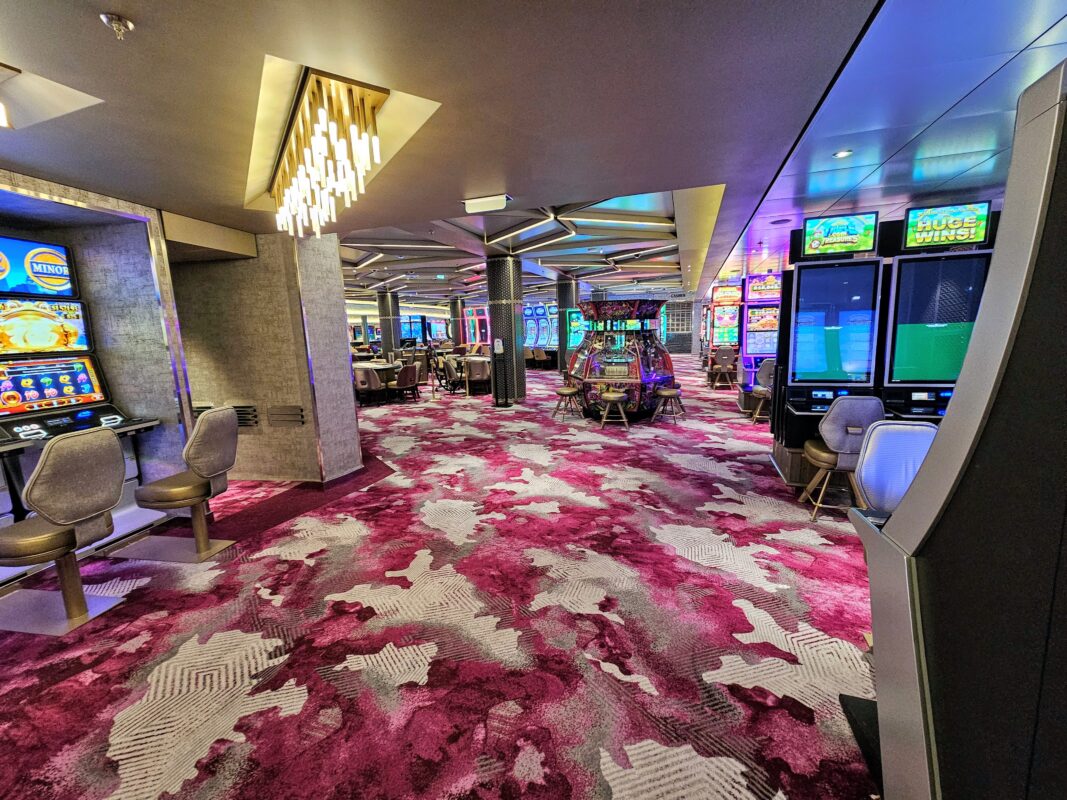
- Casino Gaming – You can fund play through your onboard account using your cruise card, and charges will be added to your final bill. You may earn complimentary drinks while playing or receive future cruise discounts based on your activity level.
- Onboard Shopping – You’ll find duty-free shops, logo stores, and small boutiques on most ships. Prices vary and are not always bargains compared with what you would pay on land.
Smart Ways Families Can Maximize Value Onboard
Use onboard credit strategically.
Onboard credit is essentially free spending money applied to your account at the time of booking. Cruise lines offer it as a promotional incentive, and travel agents frequently secure an additional $50 to $200 in credit per cabin, depending on the sailing length and cabin category.
Check your booking confirmation before you sail to see exactly what credit you have. Then plan how to use it: Wi-Fi packages, beverage packages, and specialty dining reservations almost always cost less when purchased before your cruise rather than through your onboard account.
Build your schedule around free entertainment.
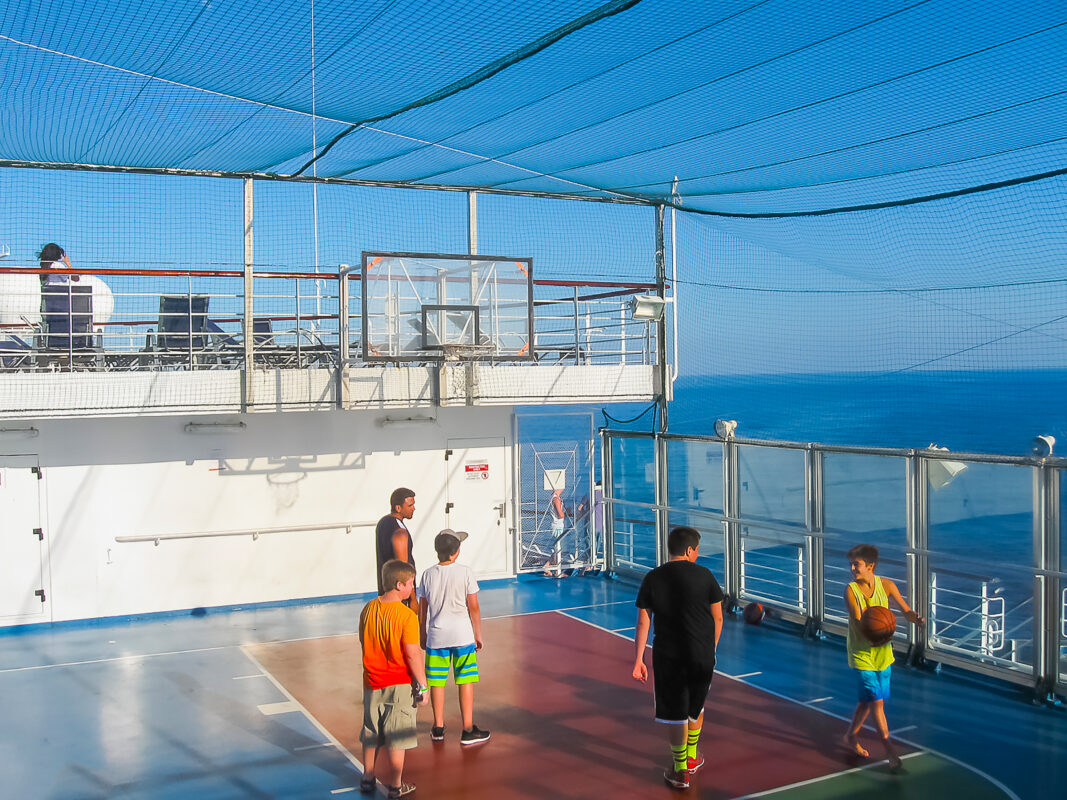
Every ship’s daily planner lists activities that don’t cost extra, and most families miss a significant portion of them simply because they didn’t check. Modern ships include rock-climbing walls, water slides, mini-golf, pools, and sports courts as part of your fare.

Free entertainment options found on most major cruise ships:
- Live shows and musical performances
- Trivia contests and game shows
- Movies under the stars
- Supervised kids’ club programming
- Sports courts and fitness facilities
- Deck parties and themed events

Feed kids at complimentary venues.
Specialty dining adds up fast when you’re paying per person for a family of 4 or more. Most children are perfectly happy with pizza, pasta, and burgers available at the buffet or main dining room at no extra charge.
A money-saving approach that works well: send the kids to the buffet or main dining room while adults enjoy a specialty restaurant on one or two evenings. You get the experience you’re paying for without having to multiply the cost by 4 (although younger kids often receive a reduced fee).
If you want to visit multiple specialty restaurants, dining packages offer a per-meal discount compared to paying individually. But only purchase the package if you’re confident you’ll use every meal included.

Best Times and Strategies for Booking Affordable Family Cruises
Cruise pricing follows patterns that are predictable enough to plan around. Knowing when to book and which sailing dates offer the best value is one of the most reliable ways to reduce your total cost.
Book early for the best selection and pricing.
Booking 9 to 12 months before your sailing date typically gives you access to the widest cabin selection and promotional pricing. You’ll have first pick of connecting cabins, rooms that sleep 4, and sailing dates that work around your school calendar.
Many cruise lines release their strongest offers when itineraries first open for sale. Early booking also gives you time to monitor your fare in case it drops before final payment.
Note that if you wait until 60 to 90 days before departure, hoping for a last-minute discount, you risk finding your preferred cabin type sold out. Families traveling with multiple children who need adjoining rooms are especially vulnerable here, since those configurations go quickly.
Take advantage of the wave season (strategically).
Wave season runs from January through March each year. During those 3 months, cruise lines compete for new bookings by offering their most aggressive promotions: kids-sail-free deals, onboard credits, free cabin upgrades, and discounted beverage packages.
You may have read that Wave Season delivers base fare reductions of 20 to 40 percent. That may not be entirely accurate. Some analyses have shown that median base fares during Wave Season are slightly higher than those outside it. Wave Season does not always mean lower base fares. In some cases, the better value comes from added perks rather than a lower cruise fare.
The consistent real value of Wave Season lies in added perks, not lower fares. Common promotions include:
- Onboard credit worth $50 to $300 per cabin
- Free or discounted beverage packages
- Prepaid gratuities
- Complimentary cabin upgrades from interior to oceanview
These are genuinely useful benefits, especially for families who plan to spend on drinks or excursions anyway. But don’t pass up a good sailing because you’re waiting for a dramatic fare cut that the data suggests probably won’t come.
Sail during shoulder season.
September, October, and early November are the sweet spot for Caribbean family cruises. Prices drop significantly compared to summer sailings and holiday periods, and the weather at most Caribbean destinations remains pleasant, notwithstanding the existence of hurricane season.

Avoid Thanksgiving week, the Christmas-to-New Year period, and spring break entirely if budget is your priority. Even shifting your departure by 1 week on either side of those windows can substantially reduce your total cost.
Consider repositioning cruises
Repositioning cruises happen twice a year when ships move between regions for different seasons. In spring, ships migrate from the Caribbean to Europe or Alaska. In the fall, they return south.
These sailings often offer discounts in the range of 30% to 50% discounted from standard fares. They tend to last 10 to 18 days and include more sea days, which actually reduces your excursion spending.
Because of their extended length, repositioning sailings are best suited for families with flexible schedules.
Pre- and Post-Cruise Travel Considerations
Your cruise cost doesn’t stop at the fare. Hotels, flights, transfers, and port parking can add hundreds of dollars to your cruise budget, so plan them carefully.
Pre-Cruise and Post-Cruise Hotels
Arriving at least 1 day before your cruise departs reduces your risk of missing the ship due to flight delays. A pre-cruise hotel gives you a buffer and helps you start your trip rested.
Many cruise lines sell hotel packages that include airport and pier transfers. These packages may cost more than booking on your own, but they may simplify the logistics considerably.
A post-cruise hotel also helps if your flight leaves the next morning. It spreads out the costs and reduces stress on disembarkation day.
Flights and Transfers
Flights often make up a large share of what a cruise truly costs. Prices change based on season, route, and how early you book.
Plan your arrival time carefully. Don’t book a flight that arrives on embarkation day without a wide buffer for delays. On disembarkation day, don’t book a flight too early. Ports can experience delays due to customs or luggage.
Don’t forget to factor in the costs of getting between the airport and the port for both your arrival and departure. Do yourself a favor and plan your transfers in advance to save money and aggravation.
Port Parking and Transportation
If you drive to the port, add parking there to your cruise cost. Most cruise ports charge a daily rate, and fees add up on longer sailings.
Check the port’s official site for current rates and security details. Some private lots near the terminal offer lower prices and shuttle service. Compare the total cost, not just the daily rate.
Also factor in fuel, tolls, and possible hotel parking if you stay overnight. If a hotel offers a “park and cruise” package, confirm what’s included and how long you can leave your car.
Leveraging Promotions for Major Savings
Cruise lines regularly run promotional deals that can cut your total family vacation cost by hundreds of dollars. The most valuable of these are kids sail free programs, discounted fares for additional cabin guests, and stackable perks that combine multiple benefits in a single booking.
Cruise lines often advertise packages such as “Free at Sea.” These deals usually bundle perks like drink packages, specialty dining, Wi-Fi, or shore excursion credits.
Here’s the deal: you need to check what you still pay. Most offers require daily gratuities for drink or dining packages, and taxes and service charges often apply as well.
Compare the promotion against the regular fare. Ask yourself:
- Would you buy these perks anyway?
- What is the daily service charge?
- Is the cabin price higher with the promotion than without it?
A strong cruise budget looks at total cost, not just the word “free.” Sometimes a lower base fare without perks saves more money, especially if you don’t drink alcohol or don’t plan many excursions.

Understanding kids sail free programs
Kids sail free promotions let children travel at no cruise fare when sharing a cabin with full-fare-paying adults. These deals almost always apply to the 3rd and 4th passengers in a stateroom, which works naturally for families with 1 or 2 children sharing a room with parents.
These promotions include blackout dates covering major holidays and school breaks, exactly when most families want to sail. Check the terms carefully before assuming your preferred dates qualify.
Stack promotions where possible
Stacking means combining multiple offers to maximize your savings on a single booking. Many cruise lines allow you to pair a kids sail free deal with other limited-time sales running simultaneously.
Norwegian’s More at Sea program, for example, frequently bundles discounted fares for 3rd and 4th guests with complimentary beverage packages, specialty dining credits, and Wi-Fi. Holland America sometimes includes its Have It All package alongside its kids-cruise-free offer, adding specialty dining, drinks, shore excursion credits, and internet access to a single booking. MSC Cruises also allows its kids sail free promotion to be combined with military discounts.
Always read the fine print before booking. Some promotions require specific cabin categories or minimum night requirements that might not fit your plans.

How to Build a Realistic Family Cruise Budget (Checklist)
Cruise expenses make a lot more sense when you organize them into a simple budget. Use this checklist to estimate your family’s total cost more realistically before you sail.
- Start with fare + taxes/fees (and optional cruise insurance)
- Add gratuities
- Add travel to the port
- Add hotel/parking/transfers
- Add expected Wi-Fi/drinks/excursions
- Set a daily onboard spending limit
Frequently Asked Questions
How can families find the best cruise deals without missing hidden fees?
Work with a travel agent who specializes in cruise travel. Agents track promotions, price drops, and limited-time offers across multiple lines and can often secure onboard credit or cabin upgrades that aren’t available through direct booking.
Which cruise lines tend to offer the most family-friendly value?
Royal Caribbean and Norwegian Cruise Line both run strong family promotions and offer extensive onboard activities for kids. MSC Cruises provides competitive base fares and a generous kids sail free program (up to age 17). Holland America is a strong choice for multigenerational travel.
Are shore excursions worth the cost for families?
It depends on the port. At destinations with easy beach access right off the ship (many Caribbean ports, for example), you can skip organized excursions entirely and still have a great day. For more complex destinations where logistics are difficult to navigate independently, the time savings and simplicity of a cruise-organized excursion may justify the higher price.
Closing Thoughts
Cruise costs almost always run higher than the fare you see at booking. But when you map out every category, from gratuities and drink packages to flights and port parking, you replace guesswork with a number you can actually plan around. The families who end up with the best cruise value aren’t the ones who spend the least. They’re the ones who know exactly what’s included and spend intentionally on what matters to them.